The Quiet Job of Anticipation in a Sporting Skill
Anticipation in sport helps you time a skill around what is likely to happen next, so you can act earlier without rushing or guessing blindly.
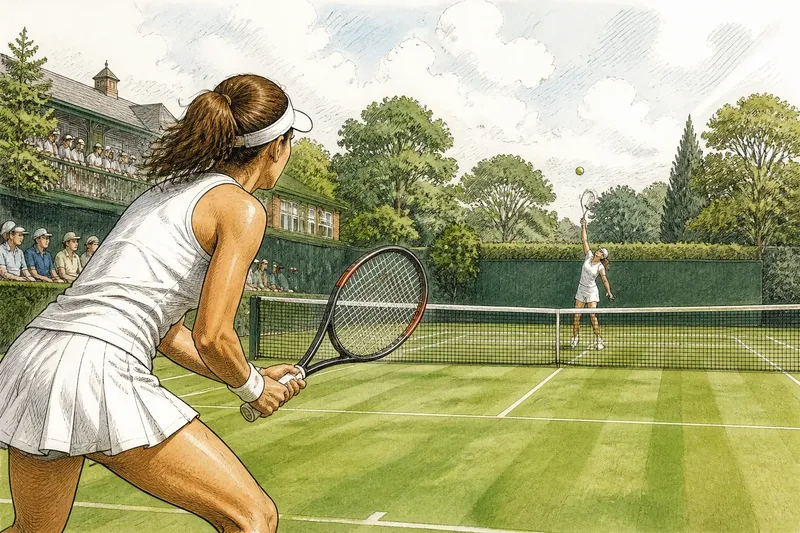
A tennis player who sees a racket face open can prepare for a high, deep ball before it clears the net. Anticipation in sport is the quiet work behind that timing: noticing useful clues early enough to organise a skill, without pretending to know exactly what comes next.
When anticipation goes wrong, athletes often blame slow reactions or poor technique. The more useful question is what information they noticed, when they noticed it and whether they acted on it sensibly. Work through these common problems in order, using a coach, partner or ordinary practice setting where appropriate.
Why do you keep reacting after the moment has passed?
A late response often starts with attention fixed on the wrong place. A footballer might watch the ball carrier’s feet but miss the player’s hips turning towards a passing lane. A goalkeeper may track the ball alone and overlook the striker’s approach, which can reveal whether a shot is likely to be struck early or carried closer.
Choose one relevant cue for the situation rather than trying to watch everything. In a racket sport, that might be the opponent’s contact point; in a team sport, it could be a receiver’s shoulder position. Ask a coach which cue matters for the skill you are learning, then deliberately look for it during a few uncomplicated repetitions.
Keep your gaze broad enough to retain the wider play. A single cue is a place to begin, not a reason to ignore teammates, space or the object’s path.
Why do you move before the cue is clear?
Anticipation can become guessing when an athlete commits to a familiar pattern instead of reading the current situation. If a defender always steps towards the same side against a particular opponent, a feint can make that habit costly. The early movement may feel decisive, but it leaves little room to adjust.
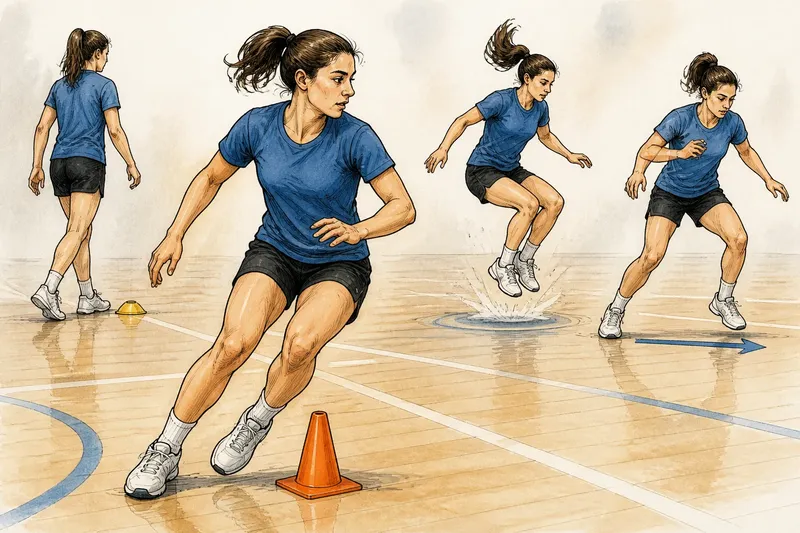
Delay the full commitment while preparing a reversible response. A basketball defender can keep a mobile stance and adjust position as the ball-handler’s direction becomes clearer, rather than lunging at the first shoulder twitch. In a return sport, a small preparatory shift can help without forcing a full step before the ball’s flight is readable.
Notice whether the cue is reliable across different actions. A shoulder movement may suggest direction, but it can also be part of a deception; combine it with the opponent’s balance, available space and the object’s trajectory.
Why does an early read still produce clumsy technique?
Seeing what may happen next does not automatically place the body where the skill can be performed well. An athlete might identify a short pass early but take a large, hurried step that closes off the angle for a controlled touch. The read is useful; the movement that follows it needs to preserve options.
Separate preparation from execution. First, recognise the likely action and make a small adjustment that keeps the next skill available. Then let the final cue—such as the ball’s bounce or the receiver’s movement—shape the touch, pass or strike. This makes anticipation part of technique rather than a command to rush.
Say you are learning to return a serve. You spot the server’s toss drifting towards one side and make a modest shift, but keep your feet ready to change direction. If the serve then travels elsewhere, you still have room to respond; if it follows the toss, you are better placed to meet it. The aim is a useful head start, not certainty.
Why does anticipation disappear when practice feels different?
A cue learned in a predictable drill may be hard to use once the opponent changes speed, disguises intent or adds another option. Repeating the same feed can teach the timing of that feed rather than the reading skill you need in play.
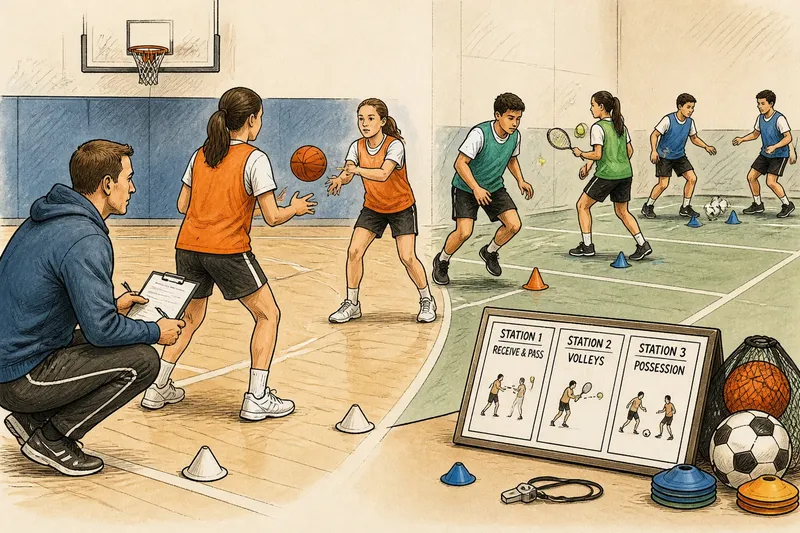
Vary one feature at a time. A coach or partner could alter the direction, pace or starting position while keeping the basic task manageable. Before each attempt, identify the cue you intend to watch; afterwards, describe what you saw and whether your movement left room to adjust. If the situation becomes too complicated to read, simplify it and build variety back in.
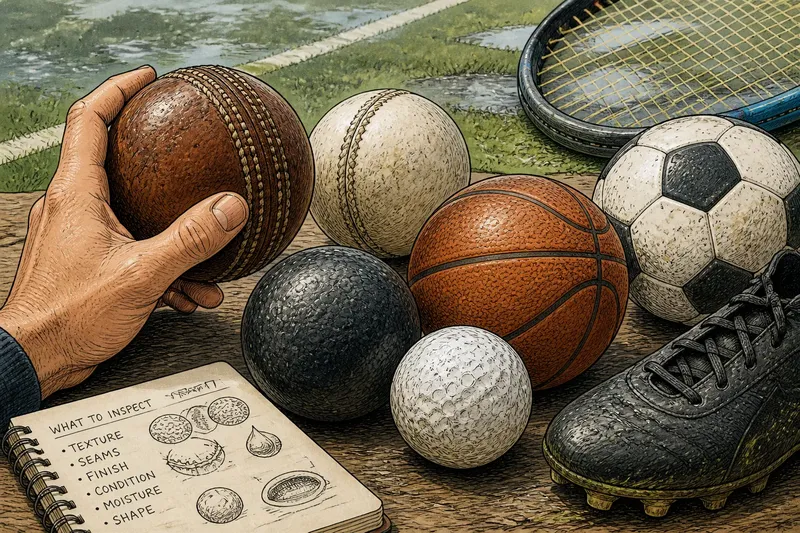
Use the same equipment and court or playing area you normally train with when those features affect the cue. A bounce, sightline or approach angle can change what information arrives first.
How can you tell which anticipation problem you have?
What should I watch first in a rally?
Start with the opponent’s contact point and the ball’s early flight, then widen your attention to the space and players around you. The most useful first cue depends on the sport and skill, so ask a coach to help select one that is visible and relevant.
How do I stop guessing an opponent’s next move?
Look for more than one piece of information before committing fully. Prepare with a small, adjustable movement, then use the next clear cue to choose your response.
Should I practise anticipation without an opponent?
Solo practice can help you rehearse where to look and how to prepare, but it cannot reproduce another player’s choices. Add a partner or coach when you are ready to read changing actions rather than a fixed sequence.
What should I do if I cannot identify the cue?
Slow the task down or reduce its options, then ask a coach to point out what changes before the action. Once that detail is visible, return to a more realistic pace and check whether you can still pick it up.
What should you review after each attempt?
Keep the review short and specific. Note the situation, the cue you noticed, your first adjustment and whether you had time to complete the skill. That sequence makes it easier to distinguish a missed cue from a movement that was too large or a decision made too soon.
- Late read: choose a clearer cue and look for it earlier.
- Premature commitment: use a smaller adjustment and wait for another signal.
- Rushed technique: prepare early but keep the final action responsive.
- Read lost in varied play: reduce one source of complexity, then add it back.
Good anticipation in sport does not mean predicting every outcome. It means giving your skill a timely start while staying ready to revise the decision. In your next practice, pick one cue, make one manageable adjustment and judge the attempt by whether it left you able to play the next moment.