From Leather to Composite: What a Ball’s Surface Changes
Learn how leather and composite ball surfaces change grip and feel, so you can read contact more clearly and choose materials suited to the sport.
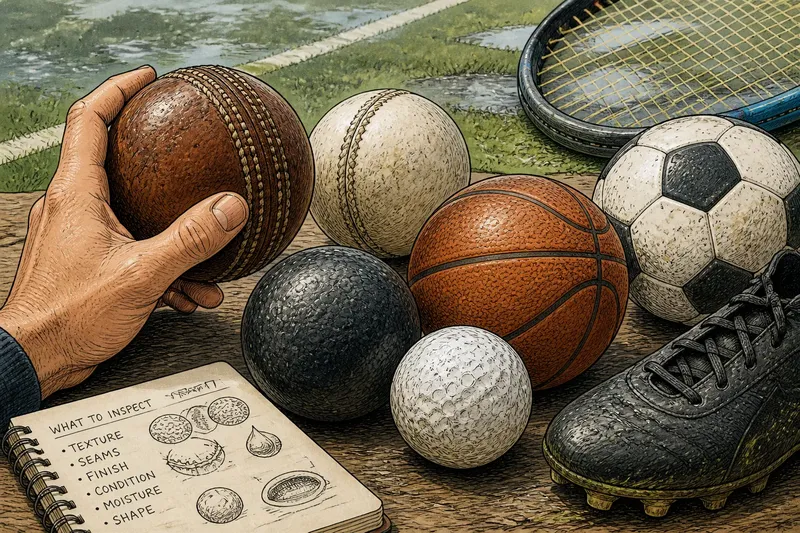
A ball’s surface changes how it settles in the hand, meets the foot or leaves a racket. To understand what leather and composite ball covers do, begin with the contact you need to manage, then observe how texture, moisture and wear affect that contact in play.
Start with the kind of contact you make
“Grip” can mean several different things. A player may need the ball to stay secure in a catching hand, to release cleanly from a throwing hand, or to meet a boot or racket face in a predictable way. Surface material matters because it changes the sensation and friction at that point of contact; it does not act alone.
Before comparing covers, name the action. Is the ball caught, carried, thrown, kicked, struck or rolled? Note whether contact is brief or sustained, and whether the hand, footwear or playing surface is damp. These details help explain why the same ball can feel secure to one player and slippery or sticky to another.
A useful starting question is not “Which cover is best?” but “What contact does this ball need to support in this sport?” The answer narrows the material features worth noticing.
What does leather feel like in play?
Leather is used on some balls because its natural surface and construction can provide a distinct hand feel. Depending on the ball, the cover may have a grain, seams or other surface details that give fingers and palms points of contact. Players may notice how the ball sits against the skin and how it moves during a catch or release.
That sensation depends on the particular leather and finish, along with the ball’s condition. A dry, clean cover can feel different from one carrying moisture or dirt. As a leather cover wears, its surface and seams may change; the ball can therefore feel less consistent from one area to another.
Leather is not automatically grippy in every condition. Moisture can alter the feel, while repeated use can polish or soften areas. If the sport involves frequent handling, pay attention to the actual contact patch rather than assuming the material name tells the whole story.
How do composite covers change contact?
Composite is a broad term for synthetic cover materials rather than one single surface. A composite ball might have a pebbled, dimpled, smooth or otherwise textured finish. Those surface features can give the fingers, glove, boot or racket face a different sensation from natural leather.
Some composite finishes are designed to provide a consistent texture across the cover. Others may feel tackier or firmer. The result depends on the cover design and how it is used: a texture that helps a player sense contact during a catch may not matter as much for a ball struck with a racket.
Do not treat “composite” as a promise of one feel or one level of control. Look at the surface itself, then handle the ball if that is permitted. Notice whether the texture catches the fingertips, feels slick, or changes as the ball turns in the hand.
Which surface details should you inspect?
Use a simple order when you assess a ball. Keep the ball still and look closely before drawing a conclusion from a brief touch.
- Texture: Check whether the cover is smooth, pebbled, dimpled or visibly grained. Consider which parts of the hand or equipment make contact.
- Seams and joins: Notice whether seams sit proud, lie flat or interrupt the surface. They can affect how fingers locate the ball and how it rolls or turns.
- Finish: Look for a coating or sheen that changes the apparent surface. A shiny patch may feel different from a more matte area.
- Condition: Check for dirt, scuffing, polished patches or uneven wear. These may matter more than the broad material category.
- Moisture: Notice whether the surface is dry or damp, and whether the playing conditions are likely to change during use.
- Inflation and shape: Consider whether the ball feels properly formed and responsive for its intended use. Cover feel can be difficult to judge if the ball’s condition is already altered.
Material names are a starting clue. The contact surface and its present condition are what your hands actually meet.
How can you compare feel without ranking products?
Compare balls through the same ordinary contact rather than relying on a quick squeeze. Hold each with the same hand position, turn it, and note whether the surface offers clear points of reference. If the sport permits, use the relevant movement at an easy pace: a simple catch, controlled roll or gentle touch. Keep the action familiar so that the surface, not a new technique, is what you notice.
Imagine you are choosing which of two training balls to use for catching practice. One has a grained leather cover and the other a pebbled composite surface. You handle both with dry hands, then make the same gentle catch with each; if the composite texture gives your fingers a clearer sense of where the ball is, record that observation as a fit for this task, not as proof that it is better in every condition.
Repeat the comparison when the relevant conditions differ, if it is safe and appropriate. A surface that feels comfortable in a dry indoor session may feel unlike itself outdoors. Do not deliberately create slippery or unsafe conditions just to test a material.
What should you notice about grip and feel?
Grip and feel are related but not identical. Grip describes how securely the surface holds against the contacting hand or equipment. Feel includes the information the player senses: texture under the fingers, firmness at impact, or how clearly the ball’s position is registered.
A rougher surface is not always easier to control. Too much friction can affect a release or make a ball feel uncomfortable, while a smoother cover may suit a quick strike where the player does not need to hold it. The useful surface is the one that supports the sport’s intended contact for that player and situation.
Pay attention to the transition between contact and release. In a catch-and-throw activity, a ball may feel secure in the hand but still leave awkwardly. In a striking sport, the hand may never touch the ball, so the relevant sensation comes through the racket, bat, boot or impact itself.
How do moisture and wear alter a cover?
Moisture can change friction and make a familiar surface feel slick, tacky or simply different. Dirt can fill texture, while repeated contact can smooth raised areas. These changes are especially noticeable when the ball is handled often or used on varied surfaces.
When a ball feels different, inspect it before blaming technique. Check whether one side is damp, dirty or more worn than the rest. Clean and dry it only in ways suitable for that ball; follow its care label or the manufacturer’s instructions, and observe any local rules that apply.
If the surface is damaged, uneven or no longer behaves as intended, set the ball aside for assessment rather than trying to restore it with unapproved products. A coating or abrasive treatment can change the cover and may affect how it is permitted to be used.
Which surface questions matter for your sport?
Does a textured cover always give more grip?
Not necessarily. Texture can provide more points of contact, but moisture, dirt, wear and the way a player handles the ball all affect the result. Judge the surface during the sport’s actual contact, not by appearance alone.
Can leather and composite feel the same?
They can feel similar in some conditions, especially when cover texture and finish are alike. Their construction and response may still differ, so a material label cannot replace handling the particular ball.
Why does the same ball feel different outdoors?
Weather, dust and the playing surface can change what reaches the cover and how it meets your hand or equipment. The ball may also be damp or dirty in one session and clean in another.
Should I choose a surface by sport alone?
Sport is a useful starting point, but role, contact style and conditions matter too. A ball used mainly for catching may call for different feel from one that is usually kicked or struck.
How do you make a material choice without chasing a label?
Start with the action and conditions, inspect the cover, then compare how the ball feels during a familiar, controlled contact. Keep your notes descriptive: “fingers locate the seam easily” or “surface feels slick when damp” is more useful than a blanket verdict about a material.
When a sport’s rules or a manufacturer’s care directions determine which ball is acceptable, check those before use. For ordinary practice, let the real contact guide the choice: the ball should feel legible in the action you perform, and its cover should remain in suitable condition.
Next time a ball feels unusually hard to catch, release or strike, turn it over and inspect the surface before changing your movement. That small check can separate a cover-condition issue from a skill question—and make the difference between leather and composite easier to understand.